
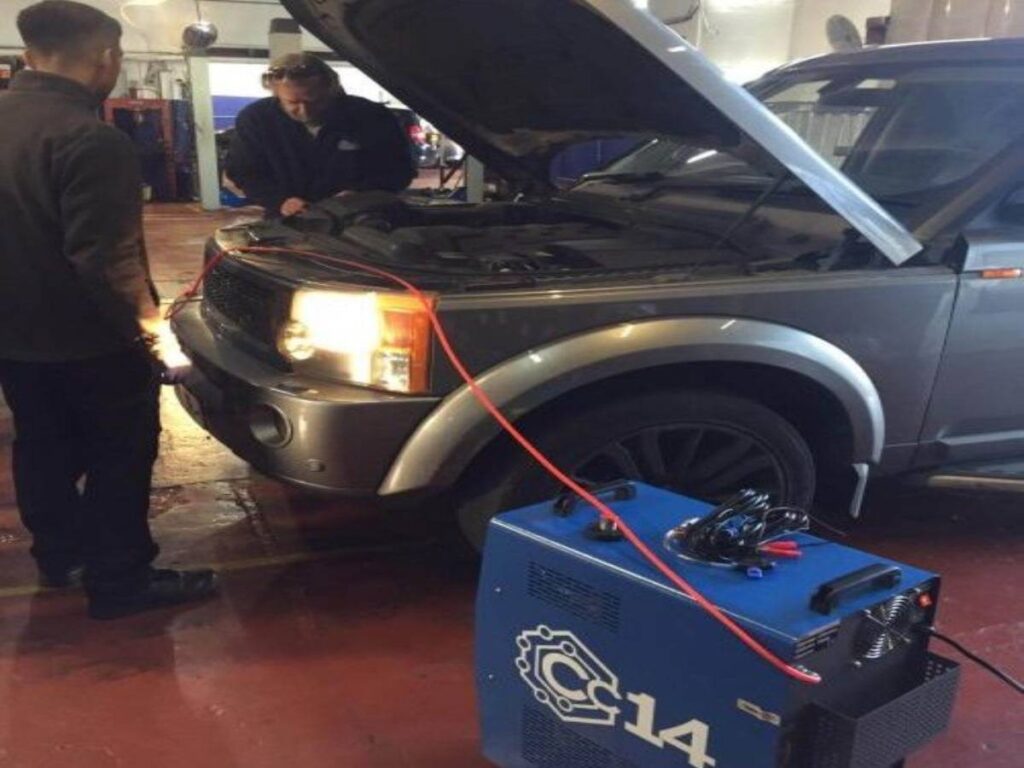
Your Car’s Essential Fluids: A Complete Guide
Your car relies on various fluids to operate smoothly and safely. At Auto MOT Centre in Manor Park, London E12, we check fluid levels during every service. Understanding what each fluid does helps you understand why keeping them topped up matters. This guide covers the essential fluids in your car and what to watch for.
—
Why Car Fluids Matter
Fluids are the lifeblood of your vehicle:
Low or degraded fluids cause components to wear faster, overheat, or fail entirely.
—
Engine Oil
What It Does
Engine oil lubricates moving parts inside the engine, reduces friction, and helps cool internal components. It also collects dirt and debris, which is trapped by the oil filter.
What to Check
Warning Signs
How Often to Check
Monthly, or before long journeys. Change oil every 5,000-8,000 miles depending on driving conditions and oil type.
—
Coolant (Antifreeze)
What It Does
Coolant absorbs heat from the engine and radiates it through the radiator. It also contains anti-corrosion properties to protect the cooling system.
What to Check
Warning Signs
How Often to Check
Monthly. Replace coolant every 2-5 years depending on the type. We can check and flush your cooling system at Auto MOT Centre.
—
Brake Fluid
What It Does
Brake fluid transfers the force from your foot on the brake pedal to the brakes at each wheel. It operates under high pressure and temperatures.
What to Check
Warning Signs
How Often to Change
Every 2 years. Brake fluid absorbs moisture over time, lowering its boiling point and effectiveness.
—
Power Steering Fluid
What It Does
Power steering fluid helps your steering system work smoothly. It provides hydraulic assistance, making steering lighter, especially at low speeds.
What to Check
Warning Signs
How Often to Check
Monthly. Replace every 2-3 years or if the fluid becomes contaminated.
—
Transmission Fluid (Automatic)
What It Does
Transmission fluid lubricates gears, cools the transmission, and provides hydraulic pressure for gear changes. It also helps prevent wear and corrosion.
What to Check
Warning Signs
How Often to Change
Every 40,000-60,000 miles for normal driving. Follow your car manufacturer’s schedule.
—
Screen Wash (Windscreen Washer Fluid)
What It Does
Screen wash cleans your windscreen to maintain clear visibility. It also helps prevent freezing in winter (when using winter-specific fluid).
What to Check
Warning Signs
How Often to Check
Top up as needed—likely every few weeks in winter or summer when insects are prevalent.
—
Differential Fluid (Rear-Wheel Drive & 4×4)
What It Does
Differential fluid lubricates the gears in the differential, allowing the wheels to rotate at different speeds. Many front-wheel drive cars have front differentials integrated with the transmission.
What to Check
This often requires lifting the car or checking the transmission fluid. Check your handbook for specific guidance.
How Often to Change
Typically every 30,000-50,000 miles for normal driving.
—
Clutch Fluid (Some Vehicles)
What It Does
In hydraulic clutch systems, clutch fluid operates the clutch plate, allowing you to change gears smoothly.
What to Check
Warning Signs
—
How Auto MOT Centre Can Help
During every service at Auto MOT Centre, we check and top up all essential fluids:
We use quality fluids suitable for your vehicle and follow manufacturer specifications.
—
Signs of Fluid Problems
Watch for these common indicators:
—
Book a Fluid Check in Manor Park
If you are unsure about your car’s fluid levels, bring it to Auto MOT Centre. We will check all essential fluids and top up or replace as needed.
Auto MOT Centre Ltd
Book a service appointment or call us to check your car’s fluids.
—
Auto MOT Centre provides comprehensive car servicing in Manor Park, East London. Our family-run garage has been serving local drivers since 2005.